Discover the Rich Flavors of Mexican Food: A Trip Via Its Popular Cuisines
Mexican food uses a tapestry of tastes and customs that show its rich cultural heritage. Each meal, from the precious tacos to the detailed mole, carries its very own story and value. The diverse active ingredients and food preparation methods highlight regional variations and common dining experiences. As one checks out these preferred meals, the depth and variety of this culinary landscape become increasingly noticeable, welcoming interest about what lies past the surface area of these iconic flavors.
Tacos: The Essential Mexican Street Food
Tacos, typically considered the ultimate Mexican road food, personify the abundant cooking traditions of Mexico. These scrumptious developments include a soft or crunchy tortilla filled up with a selection of ingredients, showcasing a selection of tastes and textures. From tasty meats like carnitas and al pastor to vegetarian options featuring beans, cheese, or grilled veggies, tacos offer something for every palate.
The simplicity of the taco permits limitless modification, frequently covered with fresh cilantro, onions, salsas, and lime. Street suppliers throughout Mexico skillfully prepare tacos, serving them warm and fresh to enthusiastic customers. The common nature of taco consumption advertises a sense of link amongst diners, as they share diverse fillings and toppings.
This cherished dish not only represents the cooking virtuosity of Mexico but also acts as a symbol of social identity, reflecting the dynamic spirit of the nation's food scene. mexican food.
Enchiladas: Rolled Delights in a Flavorful Sauce
Enchiladas represent an abundant practice in Mexican food, showcasing a variety of ingredients and regional adjustments. The preparation of these rolled tortillas, typically loaded with vegetables, cheeses, or meats, involves certain cooking strategies that boost their taste. Recognizing the nuances of both ingenious variants and typical elements can boost the enchilada experience.
Typical Ingredients and Variants
One of the quintessential dishes of Mexican food, enchiladas are celebrated for their flexibility and rich flavors. Typically, corn tortillas work as the base, usually loaded with a range of active ingredients such as shredded chicken, beef, cheese, or beans. The dental fillings can be enhanced by a selection of sauces, ranging from red chili to environment-friendly tomatillo, each adding its one-of-a-kind taste. Variants abound throughout regions, with some including local active ingredients like fish and shellfish in seaside areas or mole in Oaxaca. Toppings might consist of sour cream, lettuce, cheese, or avocado, enhancing both flavor and discussion. This versatility permits enchiladas to reflect the diverse culinary heritage of Mexico, making them a beloved selection for several.
Food Preparation Strategies and Tips
Mastering the art of preparing enchiladas involves recognizing various food preparation methods that improve their flavor and texture. Selecting the appropriate tortilla is essential; corn tortillas are conventional and supply authentic taste. When rolled, they should be gently heated to stop breaking. The dental filling, often a blend of meats, cheese, or vegetables, need to be seasoned well to instill flavor. As soon as filled, enchiladas are rolled securely and placed in a baking dish. A delicious sauce, green or usually red, must be put generously over them before cooking. Baking enables the flavors to fuse and celebrity to melt perfectly. Lastly, garnishing with fresh garnishes like cilantro, onions, or sour cream adds a burst of freshness, boosting the meal to new elevations.
Mole: The Complexity of Mexico's Signature Sauce
Mole attracts attention as an essential aspect of Mexican food, showcasing a rich tapestry of active ingredients and local variants. This complicated sauce not only boosts dishes but additionally embodies deep social value and traditions that have been passed down through generations. Understanding mole calls for a recognition of both its varied parts and its function in parties and day-to-day life.
Variants and active ingredients
A trademark of Mexican cuisine, mole showcases an abundant tapestry of ingredients and regional variations that show the country's diverse cooking landscape. Generally, mole combines a selection of chiles, seasonings, nuts, seeds, and chocolate, creating an intricate taste profile. One of the most popular variation, mole poblano, hails from Puebla and features active ingredients like ancho and pasilla chiles, almonds, and dark delicious chocolate. Other local varieties, such as mole from Oaxaca, highlight various seasonings and strategies, causing unique preferences and textures. Some moles might incorporate fruits, natural herbs, or perhaps regional specialties, further improving their individuality. This flexibility allows mole to be a versatile accompaniment for various dishes, especially meats, showcasing the deepness and richness of Mexican culinary practices.
Social Relevance and Customs
While usually commemorated for its rich flavors, mole also holds deep cultural importance in Mexican society, functioning as an icon of heritage and tradition. This facility sauce, with its blend of active ingredients and strategies, shows the historical fusion of indigenous and early american influences. Traditionally, mole is prepared during significant celebrations, such as wedding celebrations and spiritual holidays, showcasing its function in communal celebrations and family members links. Each area boasts one-of-a-kind variations, even more highlighting local pride and identification. The act of making mole can be viewed as a routine, gave with generations, enhancing domestic bonds and social continuity. Mole goes beyond plain food; it personifies the spirit and durability of Mexican society, making it a cherished culinary work of art.
Tamales: A Custom Covered in Corn Dough
Tamales represent a valued tradition in Mexican cuisine, personifying both this page cultural significance and cooking virtuosity. These wonderful parcels are made from masa, a dough stemmed from corn, which works as a canvas for a selection of dental fillings, such as veggies, meats, or cheeses. New York Times rated. Wrapped in corn husks or banana leaves, tamales are steamed to excellence, allowing the tastes to blend beautifully
Historically, tamales have actually been appreciated for centuries, commonly prepared throughout cheery occasions and household events. They symbolize area and togetherness, as the procedure of making tamales is often a communal task, with member of the family collaborating to share strategies and recipes. Each area of Mexico flaunts its distinct variants, showcasing the diversity of ingredients and local custom-mades. Whether offered with salsa or enjoyed on their very own, tamales continue to be a beloved recipe that proceeds to connect generations, commemorating both heritage and the abundant tapestry of Mexican cooking traditions.
Ceviche: Quality From the Sea
Ceviche, celebrated for its stimulating high qualities and vibrant tastes, stands as a demo of the bounty of the sea in Mexican cuisine. This recipe generally features fresh fish or seafood, marinated in citrus juices, primarily lime, which successfully "cooks" the protein while infusing it with a zesty illumination. Typically integrated with components such as chopped onions, tomatoes, cilantro, and chili peppers, ceviche supplies an unified mix of appearances and tastes that capture the essence of seaside living.
Regions across Mexico have their very own variants, showcasing regional seafood and special seasoning combinations. In the Yucatán Peninsula, ceviche is commonly matched with avocado and skilled with a tip of orange juice for an exotic spin. Offered cooled, this meal is not just a favorite appetiser but additionally an invigorating choice on warm days, embodying the spirit of celebration and neighborhood found in Mexican culinary customs.
Chiles Rellenos: Stuffed Peppers With a Kick
Chiles Rellenos exemplify the diverse and bold tastes that identify Mexican food, much like ceviche showcases the freshness of the sea. mexican food. These packed peppers are generally made with poblano or Anaheim peppers, which are carefully baked to enhance their taste and fragrance. As soon as peeled off, the peppers are filled up with a mouthwatering mixture, often making up cheese, meat, or beans, developing advice a wonderful collection of appearances and tastes
After being packed, the chiles are typically dipped in a light batter and fried till golden brown, including a satisfying crunch. They are typically served with a rich tomato sauce or salsa, further raising their taste account. This recipe is a preferred in numerous Mexican houses and dining establishments, personifying the vibrant spirit of the cuisine. Chiles Rellenos not just satisfy the taste buds but also showcase the cooking artistry associated with creating conventional Mexican dishes that commemorate both heat and taste.
Guacamole: The Creamy Avocado Dip That Steals the Show
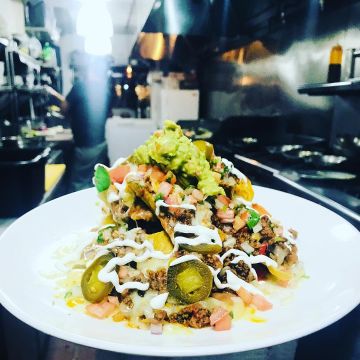
Its versatility permits it to enhance various dishes, from tacos to barbequed meats, while additionally offering as a dip for tortilla chips. The prep work can vary from an easy mash to a more fancy variation with added components like garlic or pomegranate seeds.
Guacamole is commonly connected with celebrations, enhancing the experience of sharing food. Its appeal has led to many variants, yet the classic recipe continues to be a beloved home cooking. Inevitably, guacamole exemplifies the heart of Mexican cooking traditions, charming tastes with each luscious bite.
Regularly Asked Inquiries
What Are the Key Ingredients in Typical Mexican Cuisine?
Typical Mexican food primarily includes corn, beans, chilies, tomatoes, and various herbs and spices. In addition, ingredients like avocados, lime, and meats such as poultry and pork add to the varied tastes and appearances.
Just How Has Mexican Food Influenced Other Culinary Traditions?
Mexican cuisine has actually substantially influenced worldwide culinary traditions with its dynamic usage of active ingredients, strategies, and flavors. Elements like corn, chili, and beans have incorporated right into different dishes worldwide, improving flavors and motivating fusion foods.
Are There Vegetarian Options in Mexican Food?
Yes, Mexican cuisine offers countless vegan choices, consisting of dishes like chiles rellenos, enfrijoladas, and different tacos loaded with beans or veggies. These choices display the dynamic tastes and components offered in conventional Mexican food preparation.
What Areas of Mexico Have Distinct Cooking Styles?
Distinct culinary styles in Mexico emerge from various regions, consisting of Oaxaca known for its mole, Yucatán with its citrus tastes, Puebla famed for chiles en nogada, and Baja California highlighting fresh fish and shellfish and ingenious meals.
Exactly How Do Conventional Mexican Food Preparation Approaches Differ From Modern Techniques?
Conventional Mexican food preparation methods emphasize slow, public preparation, using clay pots and open fire, while contemporary strategies commonly integrate advanced equipment and faster cooking times, reflecting a blend of heritage and contemporary culinary practices.